
Key Takeaways
- Manual data entry, fragmented workflows, and poor data quality increase HubSpot costs and limit sales productivity.
- Improving data hygiene, automation, and audits helps most teams get more value from existing HubSpot tiers without expensive upgrades.
- HubSpot’s native automation, AI, and data tools can replace several third-party point solutions when configured thoughtfully.
- Sales reps become more effective when routine logging, enrichment, and meeting follow-up tasks run automatically in the background.
- Coffee’s Companion App adds an AI agent on top of HubSpot to automate data entry, enrichment, and meeting workflows, and you can get started with Coffee on a low-cost plan.
The Hidden Costs of HubSpot: Why Your CRM Might Be a Productivity Drain
Hidden costs in HubSpot often come from manual data entry and scattered workflows. Many sales reps spend so much time logging activities that only about a third of their week goes to actual selling, which reduces revenue potential and slows pipeline movement.
Poor data quality creates more issues. Inaccurate or incomplete records lead to unreliable reports, weak forecasting, and duplicate tools as teams try to plug gaps with spreadsheets and shadow systems. Focusing on cleaner data and targeted automation turns HubSpot into a more reliable, lower-cost system of record.
Introducing Coffee’s Companion App: A Low-Cost HubSpot Layer That Reduces Busywork
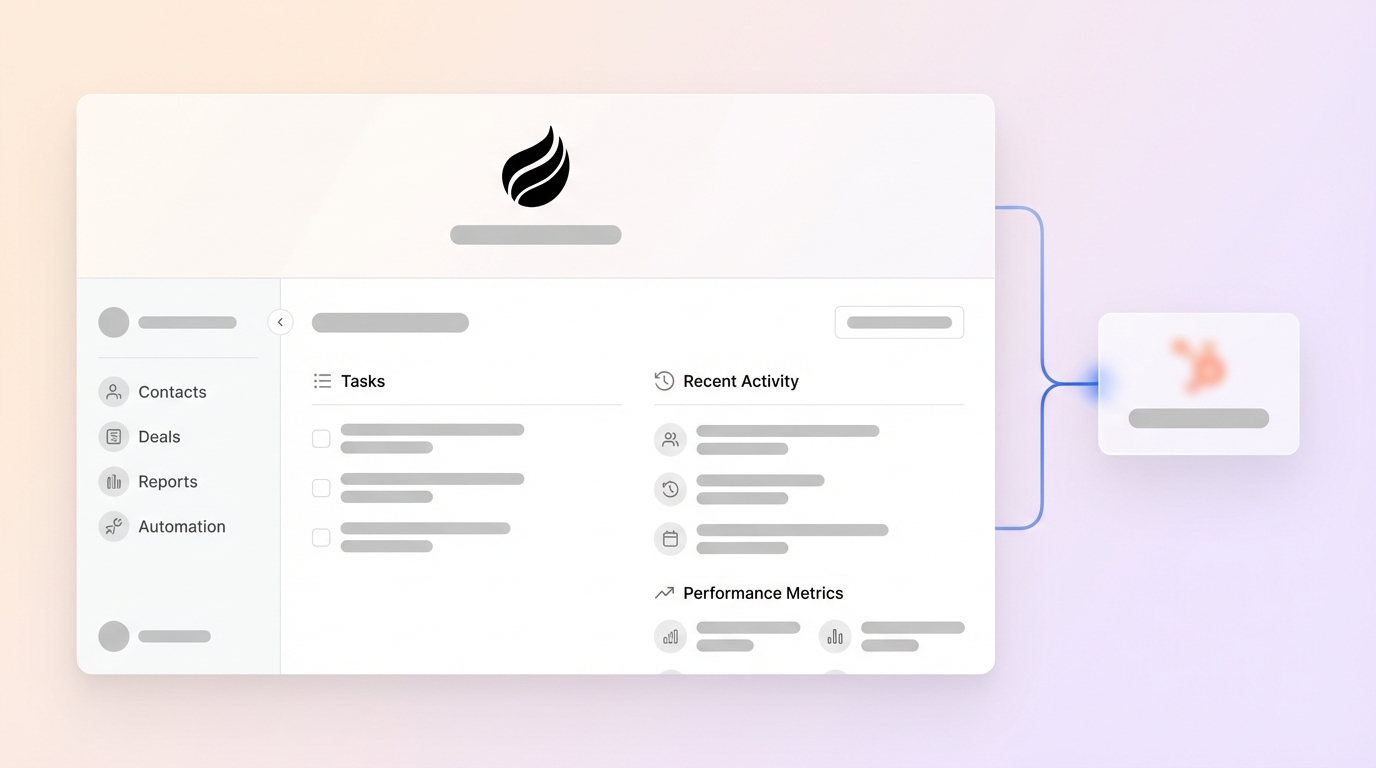
Coffee’s Companion App adds an agent-driven layer on top of your existing HubSpot instance without a migration or major upgrade. The agent captures and enriches data automatically, manages meetings and follow-ups, and gives clearer pipeline visibility, which reduces time spent on manual admin work.

Key capabilities include automated contact and company creation, meeting summaries and follow-up drafts, and pipeline change tracking. These features typically save each rep 8-12 hours per week and reduce the need for extra tools layered on top of HubSpot.
Get started with Coffee to see how the Companion App supports low-cost HubSpot pricing plans while improving daily sales operations.
7 Smart Strategies to Maximize HubSpot ROI with Low-Cost Pricing Plans
Strategy 1: Improve Data Hygiene to Avoid Rework and Bad Reporting
Clean data reduces wasted outreach and makes HubSpot dashboards more reliable. The HubSpot Data Quality Command Center highlights duplicates, missing fields, and formatting issues so teams can address problems before they affect campaigns.
AI data quality tools can standardize names, phone numbers, and spacing, and property validation rules block incorrect entries at the source. Coffee’s Companion App adds automatic creation and enrichment of contacts, companies, and activities so records stay complete without extra typing.
Strategy 2: Optimize Existing Workflows Before Buying New Tools
Current HubSpot automation often covers needs that teams try to solve with extra subscriptions. Reviewing existing workflows can uncover chances to automate:
- Lead routing and task assignment
- Follow-up sequences based on engagement
- Internal alerts when key fields change
Operations Hub supports advanced workflow automation across systems, and workflows can also handle data cleaning, including deduplication and standardization. Well-designed automation often removes most routine admin work tied to your CRM.
Strategy 3: Use HubSpot’s Native AI and Enrichment Before Adding Vendors
Native HubSpot features can cover many enrichment and AI needs that teams sometimes outsource. HubSpot Data Management and Enrichment Settings support automated enrichment for new and existing records directly in the CRM.
AI summaries and workflows help keep data current with limited manual effort, which reduces reliance on high-cost data providers. Coffee extends this with deeper enrichment, such as job titles, funding details, and social profiles through licensed partners, often making separate enrichment products unnecessary.

Strategy 4: Automate Lead Scoring to Focus Sales Time
Structured lead scoring helps reps prioritize accounts that are more likely to convert. Automated lead scoring ranks prospects by behavior and fit, which reduces manual qualification work.
Practical scoring inputs include:
- Engagement, such as page views, email opens, and form fills
- Firmographic fit, such as industry, size, or region
- Role and seniority alignment with your ideal buyer profile
Integrating lead scores into workflows allows automatic task creation, routing, and tailored follow-up based on score thresholds.
Strategy 5: Consolidate Your Tech Stack with Targeted Integrations
Fragmented sales stacks with overlapping tools increase costs and create data silos. A structured audit can identify products that duplicate HubSpot or each other.
Useful consolidation steps include:
- Listing each tool’s core function and monthly cost
- Comparing features with HubSpot and Coffee’s Companion App
- Prioritizing tools that provide two-way sync and automation
Coffee’s Companion App can handle automatic data entry, enrichment, meeting transcription, and summaries, and pipeline intelligence in one place. This approach often replaces several single-purpose products while keeping HubSpot as the main system of record.
Strategy 6: Schedule Regular Data Audits and Cleansing Routines
Contact and account data degrade quickly as people change roles, emails, and companies. Planned audits keep HubSpot usable and reporting accurate. Operations Hub Data Quality dashboards help review key properties and workflows so teams can correct issues before they spread.
Native tools can surface blank, outdated, or inconsistent data, and workflows can flag or update records that fall outside defined rules. Combined with Coffee’s automatic enrichment, these checks create a stable foundation for reliable reporting.
Strategy 7: Equip Sales Reps with Automation, Not Extra Admin Work
Sales performance improves when reps spend less time on data entry and more time with customers. Helpful changes include automated activity capture, standardized pre-meeting prep, and structured post-meeting follow-ups.

Coffee’s Companion App follows an agent-first model where the system logs meetings, creates and enriches records, and drafts follow-ups automatically. Many teams report 8-12 hours of manual work removed per rep per week, which raises the effective ROI of each HubSpot seat.
|
Feature or Benefit |
HubSpot Alone |
HubSpot + Coffee |
HubSpot + Multiple Tools |
|
Manual Data Entry |
8-12 hours per week per rep |
Fully automated capture |
Partially reduced |
|
Data Accuracy |
Depends on user input |
AI-driven enrichment |
Varies by tool and sync |
|
Pipeline Visibility |
Mostly manual reporting |
Automated pipeline change tracking |
Complex integration required |
|
Overall Cost and Complexity |
Low cost, high manual effort |
Moderate cost, low manual effort |
High cost, higher complexity |
Frequently Asked Questions About HubSpot Low-Cost Pricing Plans
Can these low-cost strategies work without upgrading my HubSpot plan?
Yes. Many organizations see great improvements by using existing HubSpot features more fully. Better data hygiene, automated workflows, and a focused layer like Coffee’s Companion App can raise data quality, sales efficiency, and reporting accuracy while staying on the same HubSpot tier.
How does a Companion App compare with native HubSpot features in terms of cost-effectiveness?
HubSpot covers core CRM and marketing needs, while a Companion App like Coffee focuses on deeper automation for data entry, enrichment, meeting management, and pipeline analysis. This setup shifts heavy admin work from reps to the agent and often replaces several separate tools, which improves overall cost control.
How quickly can teams see ROI from these strategies?
Teams usually notice time savings within the first month, especially from automated activity capture and follow-ups. Improved data quality supports more accurate pipeline views within the next one to three months, and stack consolidation lowers software spend as contracts for overlapping tools expire.
Conclusion: Turn HubSpot into a Lean, Revenue-Focused System
Maximizing HubSpot ROI in 2026 does not require constant upgrades. Cleaner data, thoughtful automation, and regular audits keep your existing plan effective, while a focused Companion App adds targeted capabilities where HubSpot stops.
Coffee’s Companion App handles routine data entry, enrichment, and meeting workflows so sales teams can focus on selling. This combination of HubSpot plus an AI agent supports low-cost pricing plans that are easier to manage and more aligned with revenue goals.
Get started with Coffee to explore how an AI Companion App can raise HubSpot ROI while keeping CRM costs under control.