Written by: Doug Camplejohn, CEO & Co-Founder, Coffee
Key Takeaways
- ActiveCampaign offers budget-friendly, contact-based pricing starting at $59/month for 1,000 contacts, far below HubSpot’s $800/month Professional plan.
- HubSpot delivers a comprehensive CRM with multi-channel features at higher costs and user-based pricing, while ActiveCampaign needs separate CRM add-ons.
- ActiveCampaign shines with advanced email automation, 900+ recipes, and branching logic, while HubSpot focuses on user-friendly workflows and broad integrations.
- Both platforms still rely on manual data entry that consumes 71% of sales time, and neither fully automates CRM maintenance or pipeline updates.
- Upgrading to Coffee’s autonomous agents removes manual CRM work and saves 8-12 hours weekly per rep with AI-driven data management.
2026 Pricing Comparison for ActiveCampaign vs HubSpot
Pricing models for ActiveCampaign and HubSpot create very different long-term costs for growing teams. ActiveCampaign scales with contacts, while HubSpot scales with users and feature tiers.
| Contact Count | ActiveCampaign (Plus) | HubSpot (Professional) | Key Differences |
|---|---|---|---|
| 1,000 contacts | $59/month | $800/month | 13x price difference |
| 2,500 contacts | $119/month | $800/month | HubSpot flat rate |
| 5,000 contacts | $179/month | $800/month | Contact-based vs user-based |
| 10,000 contacts | $239/month | $3,600/month | 15x price difference |
ActiveCampaign pricing starts at $15-$589 monthly across four tiers: Starter, Plus, Pro, and Enterprise for contact ranges from 1,000 to 50,000. The Plus plan covers forms, basic segmentation, site messages, landing pages, and generative AI features.
ActiveCampaign’s CRM functionality requires separate add-ons, with Pipelines and Sales Engagement priced per user starting at $49 monthly. HubSpot bundles CRM features but adds professional onboarding fees starting at €2,760 unless you work through certified partners.
| Plan Features | ActiveCampaign Pro | HubSpot Professional | Winner |
|---|---|---|---|
| Email automation | Advanced branching | Behavior workflows | ActiveCampaign |
| CRM included | Add-on required | Native integration | HubSpot |
| Multi-channel | Email + SMS native | Email + social + ads | HubSpot |
| Setup complexity | Technical learning curve | User-friendly interface | HubSpot |
Automation Features: Recipes in ActiveCampaign vs Workflows in HubSpot
Automation design in ActiveCampaign and HubSpot follows different philosophies that affect setup effort, flexibility, and long-term scalability.
ActiveCampaign’s January 2026 updates introduced Active Intelligence AI for automated deal stage management, RSS-triggered workflows, and conversational AI editing of existing automations. The platform now offers more than 900 pre-built automation recipes with complex branching logic and conditional content delivery.
| Automation Capability | ActiveCampaign | HubSpot | Technical Depth |
|---|---|---|---|
| Pre-built templates | 900+ recipes | Workflow library | ActiveCampaign leads |
| Branching logic | Advanced conditional | Standard if/then | ActiveCampaign superior |
| Multi-channel triggers | Email, SMS, site behavior | Email, social, CRM, tasks | HubSpot broader |
| AI assistance | Active Intelligence | Content optimization | Both competitive |
HubSpot’s visual workflow builder excels in user-friendliness for standard use cases, with native support for email, social media scheduling, landing pages, and SMS. ActiveCampaign includes native SMS messaging in Plus plans and higher tiers.
Email deliverability still drives automation results. Industry benchmarks show average deliverability rates of 84.3% in 2025, and both platforms perform above that mark. ActiveCampaign reaches about 98% deliverability, while HubSpot maintains roughly 95% delivery success.
Automation complexity creates different user experiences. ActiveCampaign offers more power but introduces a steeper learning curve that demands technical skills for advanced builds. HubSpot favors ease of use and faster onboarding, yet it can limit highly sophisticated automation paths that scaling businesses often want later.
Real User Complaints and CRM Reality Check
ActiveCampaign users frequently report slow performance, limited reporting depth, and recurring glitches. The visual automation builder feels powerful but confusing when workflows grow large, and the email design tools feel clunky. Database management can become overwhelming without daily oversight, and users report slower customer service responses.
HubSpot users describe different pain points around rising costs and feature complexity. Many teams find essential automation features locked behind higher-priced tiers, which forces them to upgrade earlier than planned. The platform attempts to cover every marketing function, which creates feature bloat and higher costs compared to focused tools.
Both platforms share the same core CRM issue: heavy manual data entry. HubSpot’s broad feature set still does not remove the administrative work that consumes 71% of sales representatives’ time. ActiveCampaign’s CRM add-ons add cost and complexity while leaving data quality problems largely unresolved.
This reality check shows that neither platform fixes the main productivity drain of manual data management. Teams still spend too much time updating contact records, logging activities, and cleaning data instead of selling. Get started with Coffee to shift that work to autonomous agents and remove these bottlenecks.
Which Platform Fits Your SMB: ActiveCampaign, HubSpot, or Coffee?
| Business Scenario | ActiveCampaign Fit | HubSpot Fit | Best Choice |
|---|---|---|---|
| Email-first startup (<10 users) | Excellent value | Overpriced | ActiveCampaign |
| Multi-channel marketing team | Limited social features | Comprehensive suite | HubSpot |
| Complex sales processes | CRM add-ons required | Native CRM integration | HubSpot |
| Budget-conscious growth | Predictable scaling costs | Expensive user limits | ActiveCampaign |
ActiveCampaign works best if you care most about advanced email automation, have technical support for setup, and want predictable contact-based pricing. HubSpot fits teams that need a broad marketing suite, prefer a friendly interface, and can justify higher costs for integrated tools.
Both options still depend on manual data work for CRM upkeep, which caps their impact on scalable growth.
Why Coffee Outperforms ActiveCampaign and HubSpot
Coffee’s autonomous agent model removes the two biggest flaws in ActiveCampaign and HubSpot: manual data entry and fragmented tool management.

The Coffee Agent creates and enriches contacts automatically by scanning Gmail or Microsoft 365 communications. It logs activities, updates deal stages, and keeps pipeline data accurate without human effort. This saves 8-12 hours per week for each sales representative and delivers cleaner data than traditional CRMs.

For meetings, Coffee behaves like a dedicated assistant. It prepares briefings with attendee context, then generates summaries, action items, and follow-up emails after each call. The agent joins calls to record and transcribe conversations, then structures notes using sales frameworks such as BANT or MEDDIC.

Coffee’s Pipeline Compare feature shows week-over-week changes, highlights deal movement, and flags stalled opportunities without manual spreadsheet exports. The built-in data warehouse keeps historical context that legacy CRMs lose when fields change over time.
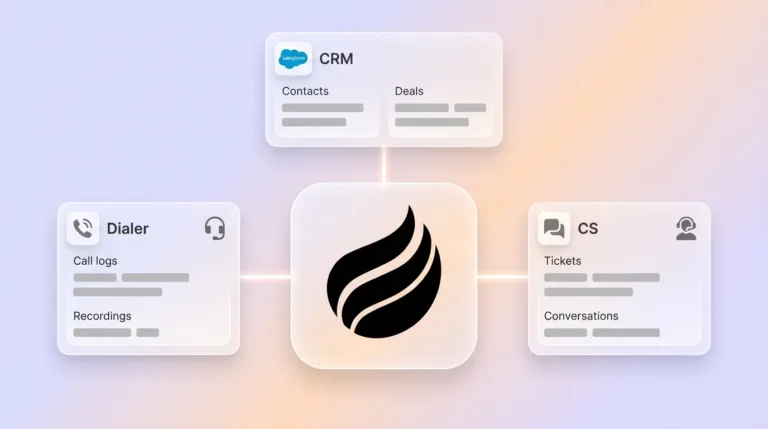
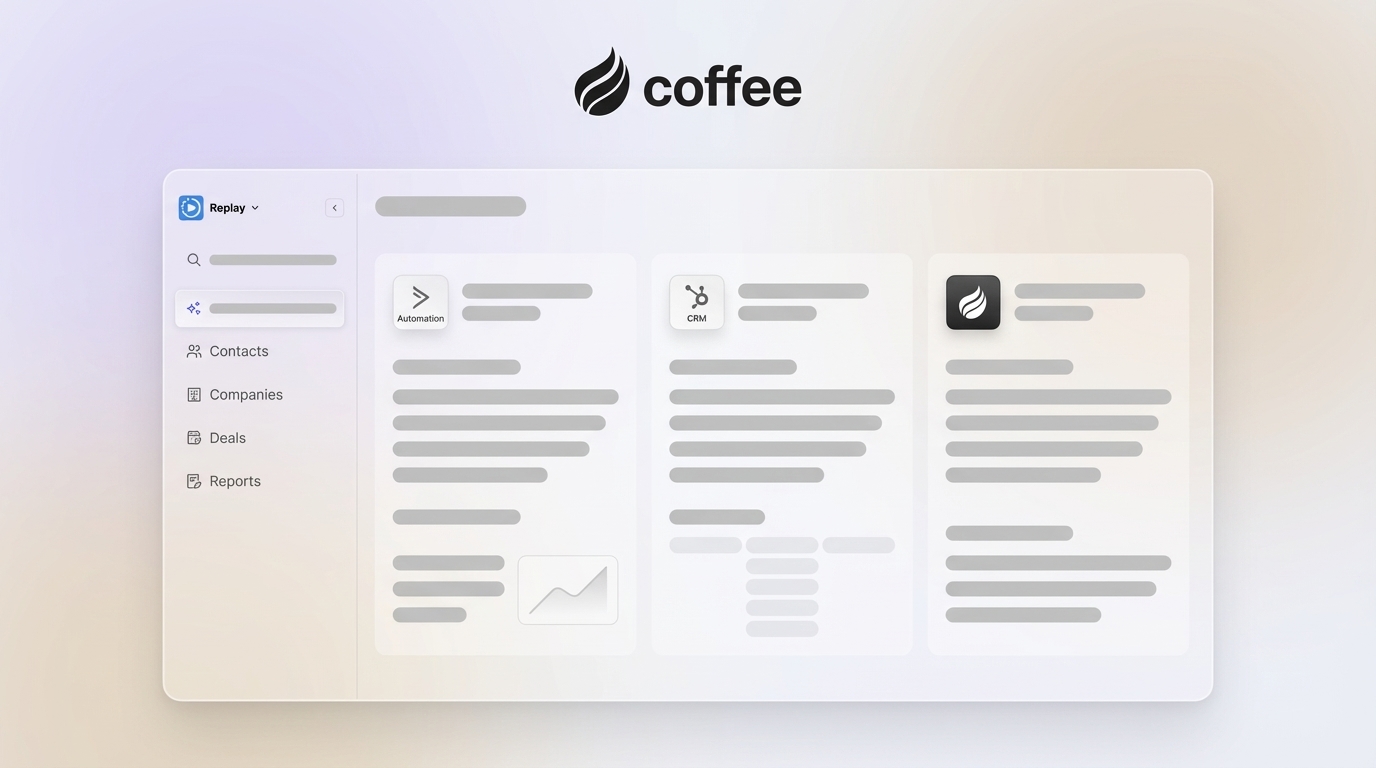
Coffee can run as a standalone CRM for small teams or as a companion app that upgrades existing Salesforce or HubSpot setups. The seat-based pricing model stays transparent and predictable, avoiding contact-based price spikes from ActiveCampaign and feature-gated tiers from HubSpot.
SOC 2 Type 2 compliance provides enterprise-grade security while the agent processes both structured and unstructured data that traditional CRMs struggle to handle. Get started with Coffee to experience autonomous CRM management that removes manual busywork.
Decision Guide and Coffee FAQ
The decision framework points clearly toward Coffee’s agent-powered approach for teams that want to remove manual CRM work while keeping data quality and pipeline accuracy high.
Can Coffee work alongside my existing HubSpot investment?
Coffee works as a companion app that enhances HubSpot by automating data entry, enrichment, and activity logging. The agent improves data quality from your current HubSpot setup without extra manual work from your team. A simple authentication lets the Coffee Agent sync data, enrich records, and write insights back into HubSpot.
How does migration from ActiveCampaign work with Coffee?
Coffee can fully replace ActiveCampaign as a standalone CRM for small and mid-sized businesses. The agent delivers stronger data management and directly addresses the manual data entry issues that appear in tools like ActiveCampaign.
What does Coffee pricing look like compared to ActiveCampaign and HubSpot in 2026?
Coffee uses clear seat-based pricing that scales with team size instead of contact counts or locked feature tiers. A typical 5-person sales team pays far less than HubSpot Professional and still receives more automation value than ActiveCampaign Pro plus CRM add-ons. The agent’s unlimited labor comes included without usage-based fees.
Does Coffee handle complex automation sequences like ActiveCampaign’s recipes?
Coffee’s agent model goes beyond traditional automation by understanding context and intent instead of following rigid rules. The agent runs sophisticated workflows from natural language instructions, adapts to changing conditions, and manages exceptions that would break standard automation recipes.
How quickly can Coffee demonstrate ROI compared to manual CRM management?
Most teams see time savings of 8-12 hours per rep each week, starting almost immediately. Better data accuracy then improves forecasting and pipeline visibility within the first month. The agent removes the productivity drain that makes traditional CRMs feel like administrative chores instead of strategic systems.
Conclusion
ActiveCampaign delivers strong email automation for budget-conscious teams, and HubSpot offers a broad marketing suite for companies that can support higher costs. Both platforms still rely on manual data entry that drains sales productivity.
Coffee’s autonomous agent represents a step beyond those limits. By automating data management, meeting workflows, and pipeline intelligence, Coffee delivers the productivity gains that ActiveCampaign and HubSpot promise but cannot fully reach with passive databases.
Teams that want to remove CRM busywork and focus on revenue have a clear path forward. Get started with Coffee to turn CRM from an administrative burden into a strategic advantage.