
Key Takeaways
- AI agents reduce manual CRM tasks and improve data quality, which gives sales leaders more reliable pipeline visibility.
- Modern agents now support the full sales cycle, from data entry and enrichment to meeting support, forecasting, and outreach.
- Coffee’s AI-first CRM agent automates data capture from email, calendar, and meetings, which helps reps reclaim 8 to 12 hours each week.
- Choosing the right mix of AI agents requires attention to security, integrations, and how well each tool fits existing sales workflows.
- Sales teams can explore Coffee’s AI CRM agent to automate data entry, meeting follow-up, and pipeline insights by requesting access here.
The Agent Inflection Point: How AI Addresses CRM Gaps
Many traditional CRMs feel complex and resource intensive, and teams often rely on manual data entry to keep records current. Market data shared by Coffee shows that sales representatives spend about 71 percent of their time on administrative work, which significantly reduces time available for selling.
These systems also create fragmented workflows. Teams switch between tools for records, enrichment, outreach, and call recording, and these integrations can add complexity and cost. When teams overwrite fields in a basic relational database, they often lose historical context, which weakens forecast accuracy. The global AI agents market is projected to reach $7.6 billion in 2026, reflecting a move toward agents that act as active workers instead of passive storage.
AI agents aim to solve common CRM problems before they surface. These systems monitor activity, update records, and summarize key points, which turns the CRM into a more dependable foundation for decisions.
Introducing the Coffee Agent: A Co-Pilot For Everyday Sales Work
Coffee applies a “good data in, good data out” approach through an autonomous AI agent that manages CRM data on behalf of the team. Instead of asking representatives to log every email, call, and meeting, the Coffee Agent captures and maintains this information in the background.
Teams can deploy Coffee in two ways. The Standalone AI-first CRM serves small to mid-sized businesses that want a modern system. The Companion App connects to an existing CRM and layers automation on top, so organizations keep their current stack while gaining AI support.

Key benefits for sales teams include:
- Autonomous data entry that creates and updates contacts, companies, and activities from email and calendar data, which can save reps 8 to 12 hours each week.
- Meeting orchestration that prepares briefs, records calls, creates summaries, and drafts follow-up emails.
- Pipeline intelligence that highlights changes over time and supports more focused pipeline reviews.
- Stack consolidation that replaces multiple point tools with one coordinated agent.
- User adoption gains as the CRM becomes a system that works for reps instead of one that demands constant upkeep.
Request access to see how the Coffee Agent supports day-to-day sales work.
Top 7 AI Agents Improving Sales Teams in 2026
1. Coffee’s Autonomous Data Entry And Enrichment Agent
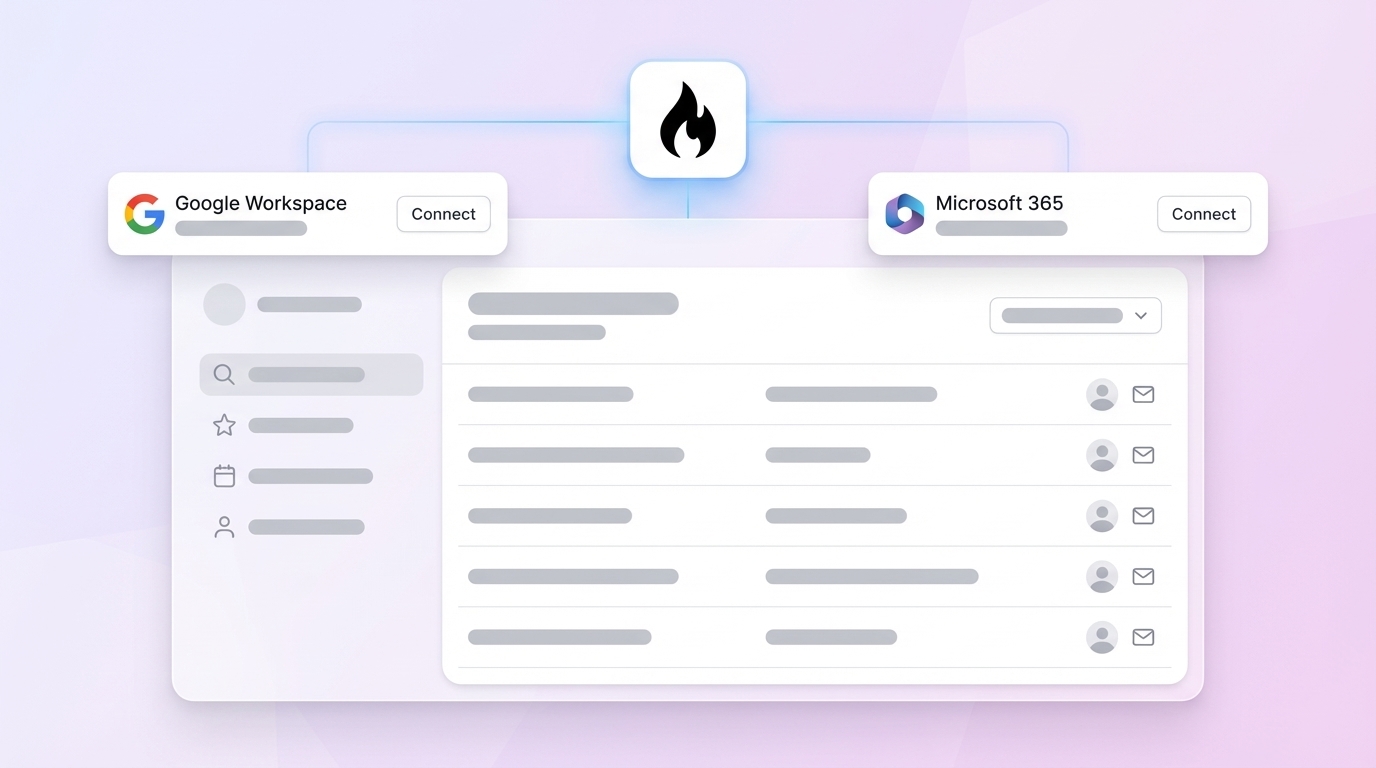
Coffee’s core agent connects to Google Workspace or Microsoft 365, then scans emails and calendars to create and enrich contacts and companies. The agent logs meetings and emails as activities and keeps deal stages in sync with actual interactions, which removes the need for manual entry after every touch.
The system uses licensed data partners to append job titles, funding information, and LinkedIn profiles. Reps start with richer context, and leaders gain a more complete view of account engagement.
2. Intelligent Lead Qualification Agents
Lead qualification agents analyze large datasets and scoring models to surface likely buyers. These systems can manage routing, appointment scheduling, and follow-up, which keeps human reps focused on higher quality conversations.
Teams often connect these agents to inbound forms, chat, or product usage signals. The agents apply predefined rules or predictive models to prioritize prospects by fit and intent, which can reduce time spent on low-potential leads.
3. AI-Powered Meeting Orchestration And Follow-Up Agents
Coffee’s Meeting Agent acts as an assistant for every customer call. The agent assembles a short brief with attendee details and past interactions, joins the call as a bot for recording and transcription, and then generates a summary with decisions, risks, and next steps. It also drafts follow-up emails in Gmail for the rep to review and send.

The agent structures notes using frameworks such as BANT, MEDDIC, or SPICED, which keeps qualification data consistent across deals. This assisted selling model positions AI as an active partner in the sales process and reduces time spent on post-meeting administration.
4. Conversational AI Agents For Customer Engagement
Conversational agents in chat or voice form handle initial inbound questions, guide visitors to relevant resources, and capture qualification details. These agents combine constant availability with natural language understanding, and they can transfer complex or high-value conversations to human reps.
Voice-based agents may answer calls, ask discovery questions, and offer to book meetings on a rep’s calendar. This approach supports responsive coverage without expanding headcount.
5. Pipeline Intelligence And Forecasting Agents
Coffee’s Pipeline Compare feature turns static reports into ongoing, visual insight. The agent highlights deals that moved forward, stalled, or appeared in a given period, so leaders can discuss specific changes rather than reviewing spreadsheets.
AI sales agents can scan pipelines for risk signals and trends, which supports more grounded forecasts and earlier intervention when deals slip.
6. Multi-Channel Outreach Automation Agents
Outreach agents coordinate email, LinkedIn, and phone sequences at scale. Multi-channel platforms can generate messaging, schedule steps, and trigger follow-ups based on how each prospect engages.
These agents help teams maintain consistent volume and messaging while still adjusting to individual behavior, such as replies, clicks, or meeting bookings.
7. AI Agents For Content Creation And Personalization
Content-focused agents generate emails, call scripts, and one-pagers that reflect a prospect’s industry, role, and behavior. Advanced systems tailor content to each account or user by combining demographic and behavioral data.
These agents also track which assets prospects open or share, which gives sales teams additional buying signals and supports more relevant follow-up.
Comparison Table: Key Features of Leading Sales AI Agents
|
Feature |
Coffee Agent |
Traditional AI Tools |
Legacy CRM |
|
Autonomous Data Entry |
Yes, core function |
Limited or assisted |
No |
|
Meeting Orchestration |
Yes, full suite |
Basic integration |
No |
|
Pipeline Intelligence |
Yes, Pipeline Compare |
Yes |
Manual |
|
Stack Consolidation |
Yes, replaces several tools |
No |
No |
Request access to explore Coffee’s automation in your own environment.
Key Questions About AI Sales Agents
How do AI sales agents differ from traditional CRM automation tools?
Traditional CRM automation depends on rules that humans configure and maintain. AI sales agents such as Coffee operate as proactive workers that interpret context and act with less supervision. They handle tasks like data entry, meeting summaries, and pipeline analysis across tools, which reduces the need for manual updates and one-off workflows.
What are the main security and integration considerations?
Security and privacy remain central when deploying AI agents. Coffee follows SOC 2 Type 2 and GDPR standards and does not use customer data to train public models. Integrations typically include direct CRM connections and API or Zapier-based workflows, which allows teams to add AI capabilities without disrupting existing systems.
What ROI can sales teams expect from AI agents?
Teams that adopt Coffee often see time savings as representatives reclaim 8 to 12 hours per week that previously went to data entry and meeting notes. More complete and accurate data also improves pipeline visibility, which can support higher win rates and more confident forecasting.
Conclusion: Let AI Maintain The CRM So Reps Can Sell
The shift from manual CRM maintenance to AI-supported workflows changes how sales organizations spend their time. Coffee’s agent keeps records current, structures meeting outcomes, and surfaces pipeline trends, which turns the CRM into a more useful system for both reps and leaders.

Rather than asking sales teams to serve the CRM, AI agents like Coffee take on the repetitive work and keep information reliable in the background. This shift allows sales professionals to focus on conversations, strategy, and closing revenue.
Request access to Coffee to test AI-driven CRM automation with your own sales team.