
Key Takeaways
- Coffee is the top CRM for small businesses in 2026 because its AI agent removes all manual data entry.
- HubSpot is the strongest free CRM with unlimited users, but automation and sequences require paid upgrades.
- Zoho CRM delivers strong value at $14/user/month with invoicing and AI, though the interface can feel cluttered.
- Pipedrive works well for sales teams with visual pipelines but still depends on significant manual input.
- Choose Coffee today to automate CRM tasks and boost team productivity without data entry headaches.
Quick CRM Comparison Matrix for 2026
|
CRM |
Best For |
Starting Price |
Automation Score |
|
Coffee |
Overall / No Data Entry |
Super simple seat-based pricing |
10/10 (Low Effort) |
|
HubSpot |
Free Tier |
$0 |
6/10 (Medium Effort) |
|
Zoho CRM |
Value |
$14/user/month |
7/10 (Medium Effort) |
|
Pipedrive |
Sales Focus |
$14/user/month |
5/10 (High Effort) |
Coffee stands out because its AI agent handles all data entry automatically, while competitors still rely on busy sales teams to update records.
Top 7 Best CRMs for Small Businesses in 2026
1. Coffee: Best Overall and Simplest CRM for Small Business
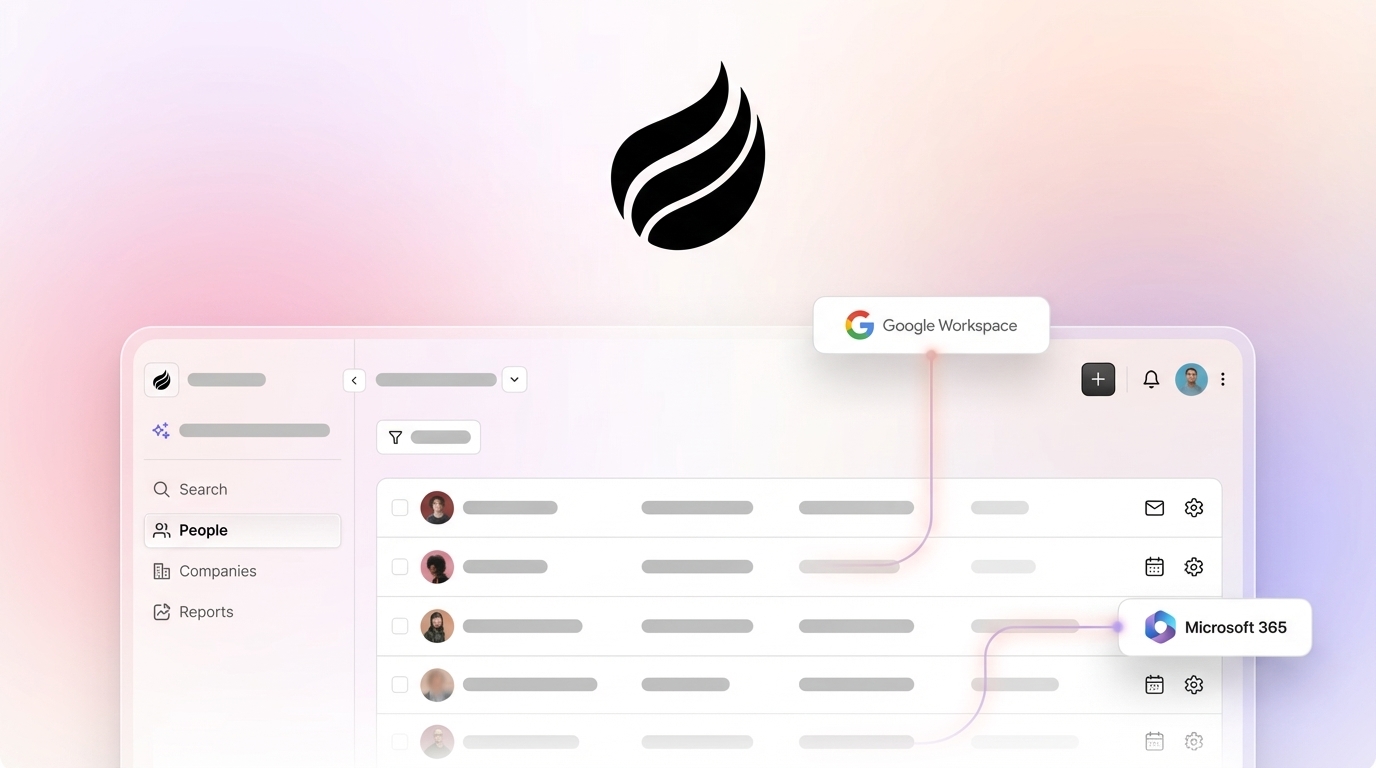
Coffee changes how CRM works by using an autonomous AI agent that removes manual data entry entirely. The agent creates and enriches contacts and companies from emails and calendars, logs activities, and prepares smart briefings before meetings. Traditional CRMs act like passive databases, while Coffee behaves like an active member of your team.

Key Strengths:
- Zero manual data entry, because the AI agent handles everything automatically
- Built-in data warehouse that preserves full historical context
- Pipeline Compare feature that shows week-over-week pipeline changes
- Works as a standalone CRM or as a companion to Salesforce or HubSpot
- Natural language list building that speeds up prospecting

Limitations: Higher starting price than free options and a newer platform with a growing integration ecosystem.
Pricing: Simple seat-based pricing that includes unlimited AI agent labor.
2. HubSpot: Best Free CRM for Small Business
HubSpot delivers a comprehensive free CRM tier that appeals to budget-conscious startups. HubSpot offers a clean interface with a built-in inbox but locks workflow automation and email sequences behind paid plans. The free version covers contact management, deal tracking, and basic reporting.
Key Strengths:
- Robust free tier with unlimited users
- Integrated marketing and sales tools in one platform
- Large app marketplace for extensions
- Strong reporting and dashboards
Limitations: CRM adoption rates stagnate at 26%. Advanced automation starts at $15/user/month, which raises costs as teams grow.
3. Zoho CRM: Best Value for Small Business
Zoho CRM offers a free plan for up to 3 users, with paid plans starting at $14 per user/month. Zoho CRM includes invoicing, quotes, and robust reporting, which helps sole proprietors but can feel cluttered.
Key Strengths:
- Competitive pricing with a wide feature set
- Built-in invoicing and quote management
- Zia AI assistant that supports task automation
- Deep customization for fields, layouts, and workflows
Limitations: The interface can overwhelm new users, and features spread across multiple products can feel fragmented.
4. Pipedrive: Best CRM for Sales-Focused Teams
Pipedrive focuses on sales with customizable dashboards, deal reports, goal tracking, and 500+ integrations starting at $14/user/month. Pipedrive stays simple for sales teams with visual pipelines, drag-and-drop stages, and activity reminders, which supports quick productivity without technical skills.
Key Strengths:
- Intuitive visual pipeline management for deals
- Strong sales reporting and forecasting tools
- Mobile-first design for reps on the go
- Extensive third-party integrations
Limitations: Pipedrive includes automation features, but it still needs far more manual data entry than Coffee’s fully autonomous AI agent.
Get started with Coffee to remove the manual data entry that slows teams on traditional CRMs like Pipedrive.
Why Coffee Outperforms Legacy CRMs for Small Business
Coffee’s AI agent fixes the core problems that hurt traditional CRMs. HubSpot still depends on manual data entry, which contributes to low adoption rates of just 26%. Coffee’s agent captures and structures every customer interaction automatically. Zoho delivers strong value but forces users to navigate features across several products. Pipedrive focuses on sales workflows but lacks the intelligence to automate data management.
Modern AI tools in 2026 must handle unstructured data from emails, calls, and meetings. AI-powered lead scoring and predictive analytics rank among the most requested capabilities. Coffee’s agent processes unstructured data automatically, while legacy systems still depend on manual updates that teams often avoid.
Coffee removes the “shadow CRM” problem where teams abandon the official system and move to spreadsheets or Notion. By taking over administrative work, Coffee acts as a trusted co-pilot instead of a demanding database.

Free vs. Low-Cost CRMs and a Beginner-Friendly Guide
HubSpot leads the free CRM category for small businesses, while Coffee delivers stronger value as a companion app that upgrades existing HubSpot setups. About 36% of CRM users abandon platforms because they feel too complex, which positions Coffee as the simplest CRM for small business and a strong fit for beginners.
Coffee does not include a free tier, but its automation removes the hidden costs of manual data entry that affect free tools. Teams often save 8 to 12 hours per week, which quickly offsets the subscription cost for growing companies.
How to Choose and Roll Out the Right CRM
Start by mapping your needs clearly. For lower upfront costs, compare Coffee and Zoho. For maximum automation, Coffee stands alone. Always calculate total cost of ownership, including hidden costs from manual processes. About 63% of CRM implementations exceed budgets or timelines, often because teams underestimate manual work.
Coffee’s five-minute authentication setup contrasts sharply with traditional rollouts. Roughly 49% of users say onboarding takes longer than expected with legacy systems. Choose an AI-first CRM to avoid the manual data entry trap that causes many CRM projects to fail.
Conclusion: Why Coffee Leads CRMs in 2026
Coffee stands out as the best CRM for small businesses in 2026 because it solves the biggest shared problem across competitors: manual data entry. HubSpot, Zoho, and Pipedrive each bring useful strengths, yet all depend on human effort to keep data accurate. Coffee’s AI agent turns CRM from a demanding landlord into a productive teammate.
Get started with Coffee today and experience CRM automation that actually works in daily use.
Frequently Asked Questions
What is the best free CRM for small business?
HubSpot offers the most complete free CRM tier with unlimited users, contact management, deal tracking, and basic reporting. Advanced features such as workflow automation and sequences require paid plans. For teams already on HubSpot, Coffee works as an AI companion that automates data entry and strengthens the free tier.
Which CRM is simplest with no data entry required?
Coffee is the only CRM that removes manual data entry entirely through its AI agent. The agent creates contacts, logs activities, and enriches records by connecting to your email and calendar. Traditional CRMs like HubSpot, Zoho, and Pipedrive still need significant manual input, which leads to low adoption and poor data quality.
How do Zoho and HubSpot compare for small businesses?
Zoho and HubSpot both provide free tiers but target different priorities. HubSpot offers stronger marketing integration and a cleaner interface. Zoho delivers more business features, such as invoicing and quotes, at lower prices. Both platforms still rely on manual data entry, which Coffee’s AI agent removes. Coffee can sit alongside either platform as a companion app that automates data management.
What should small businesses budget for CRM in 2026?
Most small businesses spend between $14 and $30 per user per month on CRM software. Budget should also cover hidden costs such as training, manual data entry time, and integration work. Coffee’s $20/user/month pricing includes unlimited AI agent labor, which removes many of these hidden costs and often delivers better total value than cheaper tools that require heavy manual effort.
Why do many CRM implementations fail for small businesses?
Most CRM failures come from poor user adoption driven by manual data entry requirements. When sales teams must spend time updating records instead of selling, they move back to spreadsheets and informal tools. Coffee fixes this problem by automating data management, which supports higher adoption and better data quality without forcing behavior changes on sales teams.