Written by: Doug Camplejohn, CEO & Co-Founder, Coffee
Key Takeaways
- 71% of sales reps waste time on manual data entry, which cuts selling time to 35%. Agentic AI tools automate this work and improve forecast accuracy.
- Pipeline intelligence tools focus on data automation, AI forecasting, CRM integrations like Salesforce and HubSpot, and clear pipeline tracking.
- Coffee ranks #1 with full agent automation, saving 8-12 hours per rep each week and handling unstructured data from emails and calendars.
- Clari delivers up to 96% enterprise forecast accuracy, Gong leads in conversation intelligence, and tools like ZoomInfo specialize in enrichment.
- Choose Coffee for SMB and mid-market teams that need autonomous pipeline management. Get started with Coffee and remove manual data entry from your workflow today.
How Accurate Pipeline Intelligence Really Works
Accurate pipeline intelligence rests on five core factors. Data automation prevents the “garbage in, garbage out” problem that 75% of RevOps professionals cite as their most frustrating tech stack challenge. AI model sophistication shapes forecasting precision and deal scoring. Pipeline tracking capabilities support week-over-week change analysis and cleaner pipeline reviews. CRM integrations keep data flowing between systems without silos. Usability and total cost of ownership influence adoption and long-term ROI.
| Criterion | Why It Matters | Top Performer | Benchmark |
|---|---|---|---|
| Data Automation | Prevents 48% pipeline inefficiency from manual entry | Coffee (Full Agent) | Automates data entry |
| AI Model Quality | Drives forecast precision and deal scoring | Clari (Enterprise) | 96% accuracy |
| CRM Integration | Eliminates data silos and fragmentation | Coffee/Clari | Native sync |
| Pipeline Tracking | Supports strategic pipeline reviews | Coffee Compare | Historical analysis |
The core pain point for most teams is manual data entry and fragmented systems. Sales reps jump between HubSpot for records, ZoomInfo for enrichment, SalesLoft for outreach, and Fathom for call recording. This tool sprawl creates data quality gaps that weaken forecasting accuracy and confidence.
The 10 Best Pipeline Intelligence Tools for 2026
1. Coffee
Coffee uses an autonomous agent to automate data entry, enrichment, and activity logging so your pipeline stays accurate. The agent captures structured and unstructured data from emails, calendars, and call transcripts, then writes clean insights back to Salesforce or HubSpot. Coffee’s Pipeline Compare feature shows week-over-week changes without spreadsheets or manual exports. It fits SMB and mid-market teams that want a CRM companion or a standalone pipeline system. Key strengths include handling unstructured data, saving 8-12 hours per rep weekly, and removing manual pipeline management. One $10M revenue company replaced spreadsheets entirely after rolling out Coffee’s agent-powered workflow.

2. Clari
Clari delivers enterprise-grade revenue intelligence with up to 96% forecast accuracy for enterprises with unified revenue data. Its deep Salesforce integration and AI-driven deal inspection suit large organizations with complex sales motions. Clari’s strengths include detailed pipeline analytics, deal health scoring, and revenue leak detection. It works best for enterprise teams with dedicated RevOps support and mature processes.
3. Gong
Gong focuses on conversation intelligence and analyzes sales calls to surface buyer signals and sentiment. The platform connects with major CRMs to enrich deal records with conversation insights. Strengths include call analysis, competitor mention tracking, and deal risk identification. It fits teams that prioritize conversation-driven insights more than full pipeline automation.
4. ZoomInfo
ZoomInfo offers bidirectional CRM sync and strong data enrichment. The platform keeps contact and company data current across sales tools. Strengths include a large database, intent data signals, and marketing automation integrations. It suits teams that need robust prospecting and enrichment rather than full pipeline intelligence.
5. Salesforce Einstein
Salesforce Einstein brings native AI forecasting to the Salesforce ecosystem and integrates without extra setup for existing users. Einstein reviews historical data patterns to predict deal outcomes and flag at-risk opportunities. Strengths include no additional integration work and access to the broader Salesforce feature set. It works best for organizations deeply committed to Salesforce that want built-in intelligence.
6. HubSpot Forecasting
HubSpot’s built-in forecasting tools give HubSpot CRM users integrated pipeline management. The platform blends marketing automation data with sales insights for full-funnel revenue tracking. Strengths include unified marketing and sales data, automated lead scoring, and native workflow automation. It fits teams already invested in the HubSpot ecosystem.
7. Avoma
Avoma is a conversation intelligence platform that centers on meeting automation and note-taking. It records calls, generates summaries, and extracts action items that can update the CRM. Strengths include automated meeting workflows and conversation analytics. It suits teams that value meeting productivity more than complete pipeline intelligence.
8. InsightSquared
InsightSquared is a sales analytics platform that offers pipeline reporting and forecast analysis. The tool connects to CRMs to power historical trend analysis and performance benchmarking. Strengths include customizable dashboards and detailed sales performance metrics. It fits teams that need advanced analytics and reporting rather than agent-led automation.
9. People.ai
People.ai is a revenue intelligence platform that automatically captures sales activities from email and calendar data. It enriches CRM records with activity insights and relationship mapping. Strengths include broad activity capture and relationship intelligence. It works well for teams that want automated activity logging without full pipeline automation.
10. Fathom
Fathom is an AI meeting assistant that focuses on call recording and note generation. It integrates with video conferencing tools to produce automated meeting summaries. Strengths include quick setup and meeting-focused features. It suits teams that need basic call recording and summary capabilities.
Coffee stands out as the only solution that offers full agent automation for both structured and unstructured data. This approach removes the manual work that slows most traditional tools. Get started with Coffee and see how autonomous pipeline intelligence feels in practice.

Side-by-Side Tool Comparison and Benchmarks
| Tool | Accuracy | Data Automation | CRM Integration | ROI Impact |
|---|---|---|---|---|
| Coffee | Accurate insights | Full Agent | Salesforce/HubSpot | 8-12h/week saved |
| Clari | 96% | Partial | Salesforce Native | Enterprise focus |
| Gong | 85% | Conversation Only | Multi-CRM | Call insights |
| ZoomInfo | 80% | Enrichment Only | Bidirectional | Data quality |
Coffee leads SMB and mid-market teams on data hygiene, beating legacy systems that sit in the 70-79% median accuracy range. Other tools offer partial automation, while Coffee’s agent manages the full data lifecycle from capture through insights.
How to Choose and Roll Out the Right Tool
Coffee fits teams with low CRM adoption that want to strengthen Salesforce or HubSpot without adding manual work. Clari fits enterprise organizations with complex requirements and larger RevOps teams. ROI calculations should include the 8-12 hours saved per rep each week. Key implementation steps include connecting Coffee to Google Workspace for automatic enrichment, confirming SOC2 compliance, and using Zapier for extra integrations. Avoid tools that still rely on manual data entry, because they preserve the original problem instead of solving it.

FAQ
Which AI delivers the highest forecast accuracy in 2026?
Coffee’s agent-led approach delivers accurate forecasts by automating data entry and enrichment at the source. Passive tools still depend on manual input, which introduces human error and drops traditional forecast accuracy to 60-71%. Coffee’s autonomous agent keeps data clean as it flows from emails, calendars, and calls into CRM systems.
What is the best pipeline intelligence tool for Salesforce?
Coffee works as a powerful Salesforce companion and deploys an intelligent agent that handles data entry, enrichment, and activity logging automatically. Salesforce Einstein offers native forecasting, but Coffee removes the manual work that often causes low adoption and poor data quality in Salesforce environments.
Which tools include pipeline comparison features?
Coffee’s Pipeline Compare feature stands out by automatically visualizing week-over-week pipeline changes. It highlights progressed deals, stalled opportunities, and new additions in a single view. This shift turns pipeline reviews into strategic conversations instead of manual spreadsheet interrogations.
What are the top AI sales forecasting tools for 2026?
Coffee leads with agent-powered automation, followed by Clari for enterprise deployments and Gong for conversation intelligence. The main difference lies in automation depth. Coffee’s agent manages the full data lifecycle, while other tools still require manual work that affects accuracy and adoption.
How do accurate sales forecasting tools integrate with Salesforce?
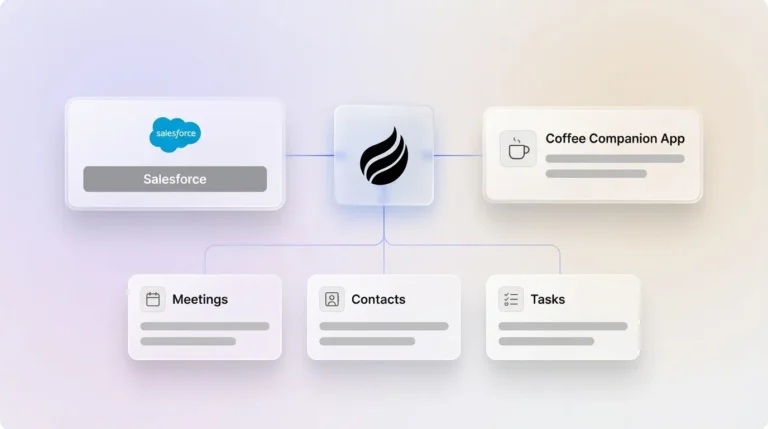
Coffee runs as a Salesforce companion app and uses a one-time authentication to sync data, enrich records, and write insights back to the CRM. Salesforce remains the system of record, while Coffee’s agent protects data quality through automated capture from emails, calendars, and call transcripts.
Conclusion: Why Agent-Powered Forecasting Wins
Agent-powered tools like Coffee transform sales forecasting by removing manual data entry, which often undermines accuracy. The shift from passive databases to autonomous agents defines the next generation of pipeline intelligence. Teams gain precise forecasts through continuous, automated data hygiene. Get started with Coffee and upgrade your pipeline management with intelligent automation.