Written by: Doug Camplejohn, CEO & Co-Founder, Coffee
Key Takeaways for Salesforce Data Quality Automation
- Poor data quality blocks 53% of agentic AI adoption in Salesforce, so prevention delivers more value than reactive cleanup.
- Coffee acts as a leading AI agent that prevents bad data at the source through Google Workspace and Microsoft 365 sync.
- Traditional tools like DemandTools and Cloudingo excel at deduplication but do not automate unstructured data capture.
- Evaluate tools on automation depth, scalability, no-code setup, unstructured data coverage, and total cost per seat.
- Deploy Coffee in 5 steps for fast Salesforce data quality gains, and see pricing and start your deployment.
How to Judge Salesforce Data Quality Automation Platforms
Modern Salesforce data quality tools work best when they prevent bad data instead of only cleaning it later. Evaluate each platform on five criteria: prevention versus cleanup, scalability for growing teams, no-code implementation, support for structured and unstructured data, and total cost of ownership per seat.
AI agents like Coffee outperform traditional point solutions by preventing the 71% time waste that manual data entry creates. They keep Salesforce clean by capturing and enriching data before duplicates and gaps appear.
Top 7 Salesforce Data Quality Automation Tools for 2026
1. Coffee – AI Agent for Proactive Data Prevention
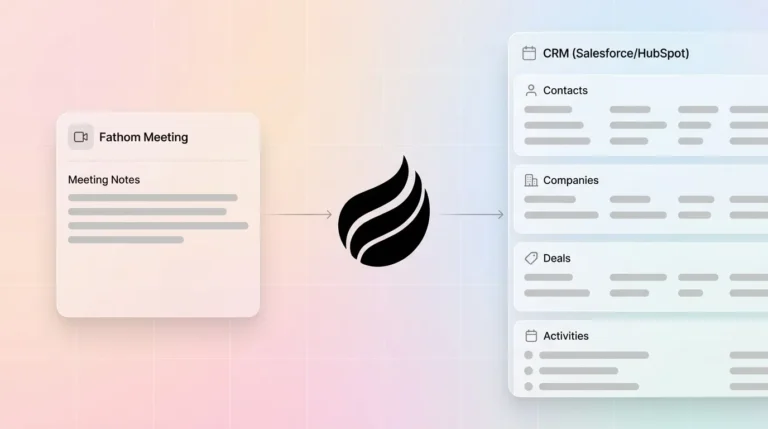
Coffee operates as an AI agent that prevents bad Salesforce data at the source through Google Workspace and Microsoft 365 integration. The agent automatically creates and enriches contacts, companies, and activities by scanning emails and calendars before data quality issues occur.

Key Strengths:
- Autonomous data entry from unstructured sources such as emails, calendars, and meeting transcripts
- Real-time enrichment with job titles, funding data, and LinkedIn profiles
- AI meeting bot that joins calls and generates automated summaries
- Pipeline intelligence with week-over-week change tracking
- Built-in data warehouse that preserves historical context
- Works as a standalone CRM or as a Salesforce Companion App
Ideal For: Small to mid-market companies committed to Salesforce that want hands-off automation and a path to eliminate manual data entry.

Implementation: A five-step setup connects Google or Microsoft 365, authenticates Salesforce, enables agent auto-population, activates the meeting bot, and delivers instant insights. This streamlined process delivers immediate results, and one company generating tens of millions in revenue ditched spreadsheets entirely after the agent automated contact creation and pipeline reviews.

Try Coffee’s Salesforce integration to experience agent-powered data quality in a live environment.
2. DemandTools/Validity – Enterprise Deduplication Powerhouse
DemandTools delivers comprehensive mass deduplication and field-level validation directly inside Salesforce through native AppExchange integration. The platform focuses on cleaning existing data with scheduled automation and duplicate prevention at key entry points.
Key Strengths:
- Advanced fuzzy matching logic for complex duplicates
- Mass merge capabilities for large datasets
- Field standardization and validation rules
- Scheduled off-hours batch processing
Limitations: Focuses mainly on structured data management and needs careful configuration for strong automation in complex environments.
Ideal For: Large enterprises with significant existing data quality issues that need deep cleanup before shifting to prevention.
3. Cloudingo – Real-Time Duplicate Detection
Cloudingo offers robust API integrations that evaluate and clean incoming records in real time before they reach Salesforce. The platform provides customizable matching rules and automated background maintenance jobs.
Key Strengths:
- Real-time duplicate detection across multiple objects
- API connectivity for external system integration
- Customizable blocking, alerting, and override actions
- Automated daily cleanup scheduling
Limitations: Concentrates on deduplication instead of full data enrichment and has limited support for unstructured data.
Ideal For: Organizations with complex integration needs that require real-time duplicate prevention across systems.
4. ZoomInfo – Data Enrichment and Verification
ZoomInfo combines AI analysis of 1.5 billion daily data points with human verification to deliver continuous data enrichment. It syncs with Salesforce in real time through native bi-directional integration.
Key Strengths:
- Comprehensive business intelligence database
- Real-time contact and company enrichment
- Intent data and buying signals
- GDPR, CCPA, and SOC 2 compliance
Limitations: Carries a high cost per seat and still requires separate tools for meeting intelligence and pipeline tracking.
Ideal For: Sales teams that prioritize lead generation and prospecting more than full workflow automation.
5. Plauti – Salesforce-Native Data Quality
Plauti delivers Salesforce-native data quality tools that focus on duplicate management, data validation, and field standardization. These AppExchange applications are built specifically for Salesforce environments.
Key Strengths:
- Native Salesforce integration
- User-friendly interface for admins
- Flexible matching criteria
- Automated workflow triggers
Limitations: Concentrates on Salesforce-native data and places less emphasis on external unstructured data sources.
Ideal For: Salesforce-focused organizations that want simple, native deduplication and validation.
6. RingLead – Lead Management and Routing
RingLead specializes in lead-to-account matching and intelligent routing while also offering data cleansing and deduplication. The platform aims to improve lead distribution, CRM hygiene, and routing accuracy.
Key Strengths:
- Advanced lead-to-account matching
- Intelligent lead routing rules
- Territory management integration
- Real-time assignment automation
Limitations: Provides less coverage for full CRM data quality workflows than broader automation platforms and offers limited standalone enrichment.
Ideal For: Sales operations teams that care most about lead routing accuracy and basic CRM hygiene.
7. Day.ai – Unstructured Data Processing
Day.ai focuses on processing unstructured data from emails, calls, and documents to extract actionable insights. It offers narrower integration capabilities than more comprehensive data quality platforms.
Key Strengths:
- Advanced natural language processing
- Email and document analysis
- Automated task extraction
- Meeting summary generation
Limitations: Provides limited Salesforce integration, lacks full CRM data management, and centers on productivity more than data quality.
Ideal For: Teams that want basic unstructured data processing and do not need deep CRM integration.
Top 4 Tools Comparison
The following table compares the four most comprehensive solutions across prevention, cleanup, and enrichment. Plauti, RingLead, and Day.ai are excluded here because they focus on narrower use cases rather than full data quality automation.
| Tool | Best For | Automation Depth | Coffee Score/10 |
|---|---|---|---|
| Coffee | Proactive AI agent prevention | Full workflow automation | 10/10 |
| DemandTools | Enterprise deduplication | Automated maintenance | 7/10 |
| Cloudingo | Real-time duplicate detection | Real-time merging | 6/10 |
| ZoomInfo | Data enrichment | Contact enhancement | 6/10 |
Legacy tools focus on structured data management, while Coffee’s real-time agent prevention consolidates multiple point solutions into one automation platform. This consolidation removes the need for separate ZoomInfo, Gong, or meeting intelligence tools.

5-Step Workflow to Deploy Coffee for Salesforce Data Quality
Implementing Coffee takes only a few minutes when you follow a simple five-step workflow. First, authenticate Google Workspace or Microsoft 365, then connect your existing Salesforce instance. Next, enable agent auto-population and enrichment, activate the AI meeting bot for call intelligence, and finally review automated insights and pipeline tracking.

This rapid deployment matters most for mid-market teams that need enterprise-grade automation without enterprise-level implementation complexity. Coffee’s seat-based pricing scales with team size instead of demanding large upfront commitments, and view Coffee’s pricing plans to align automation with your current budget.
FAQ
What is the best Salesforce deduplication tool in 2026?
Coffee leads the market through its prevention-first approach that stops duplicates before they appear in Salesforce. The agent captures contact and company data from your team’s emails and calendars automatically so accurate records exist before anyone manually enters or duplicates them.
How does Coffee.ai integrate with Salesforce?
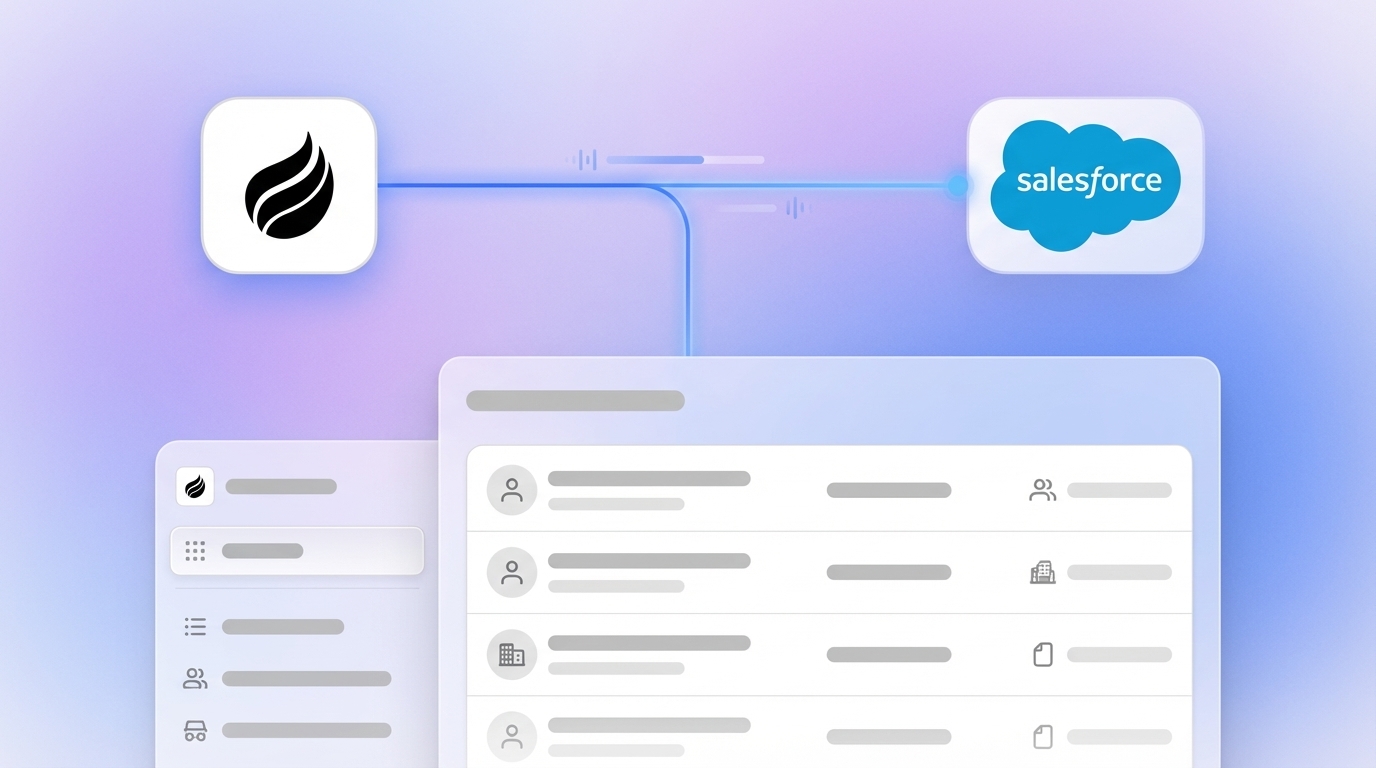
Coffee operates as a Companion App that syncs with existing Salesforce instances through authenticated API connections. The agent automatically populates contacts, companies, and activities while preserving current Salesforce workflows, custom fields, and user permissions.
Can Coffee automate Salesforce data enrichment?
Yes, the agent automatically enriches records with job titles, company funding data, LinkedIn profiles, and other business intelligence through integrated data partnerships. This approach replaces separate enrichment tools and maintains accuracy through AI-driven verification.
How does Coffee compare to ZoomInfo for Salesforce data quality?
Coffee delivers workflow automation that covers data capture, enrichment, meeting intelligence, and pipeline tracking at a lower per-seat cost than ZoomInfo’s data-only approach. The agent supports the complete sales workflow instead of forcing teams to stitch together multiple point solutions.
What are the top Salesforce data quality trends for 2026?
The shift from reactive deduplication to proactive AI agent prevention defines Salesforce data quality in 2026. Organizations now favor tools that prevent bad data entry, and agent-powered automation replaces manual data entry workflows across sales teams.
Conclusion: Why Coffee Wins for Salesforce Data Quality
Coffee stands out as the strongest way to improve Salesforce data quality automation because it prevents problems at the source. Legacy deduplication tools clean up messes after they happen, while this agent ensures accurate data enters your system automatically.
Teams that want lasting Salesforce hygiene can test this agent-powered approach and see the impact on pipeline visibility and rep productivity. Explore Coffee’s automation pricing to move from reactive cleanup to proactive prevention today.