Written by: Doug Camplejohn, CEO & Co-Founder, Coffee
Key Takeaways
- AI fixes broken sales pipelines by improving data quality first, then cutting the manual entry that currently wastes most rep time.
- Use a connected 7-step framework: define ICP with AI data cleaning, apply predictive lead scoring, personalize outreach, automate admin, add conversational intelligence, track pipeline velocity, and keep optimizing.
- Coffee’s AI agent unifies data from emails and calendars, enriches records, and syncs with Salesforce and HubSpot so reps reclaim hours each week.
- AI-driven sales teams see higher conversion rates, faster cycles, and stronger pipeline velocity because decisions rely on accurate, complete data.
- Deploy Coffee today for predictable growth — see pricing and deployment options.
Why Data Quality Drives Every AI Sales Pipeline Result
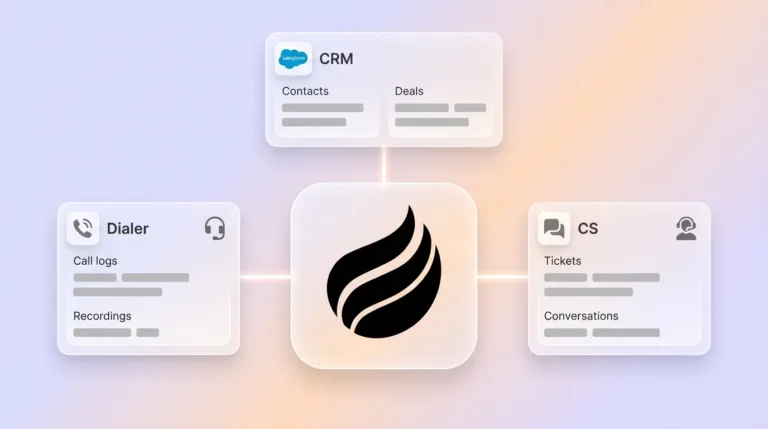
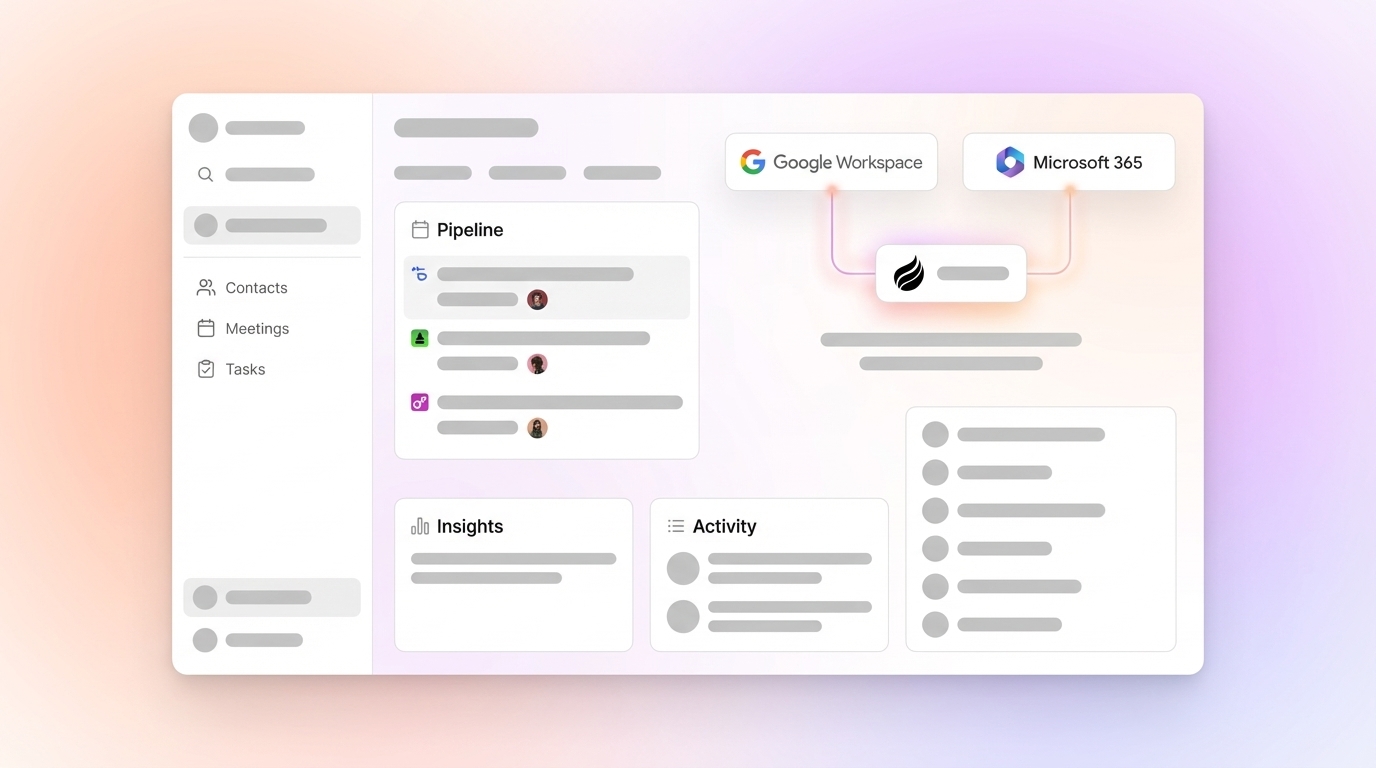
Legacy CRMs fail because they rely on manual data entry, which creates a “bad data in, bad data out” cycle. Coffee’s AI agent breaks that pattern by unifying data from emails, calendars, and meetings, enriching records with titles and funding information, and logging activities without human effort. It works as a standalone CRM for SMBs or as a companion app for existing Salesforce and HubSpot instances. The comparison below shows how an agent-led approach outperforms manual CRM processes across core pipeline activities.
| Feature | Coffee (Agent-Led) | HubSpot/Salesforce (Manual) | Impact |
|---|---|---|---|
| Data Handling | Unstructured (emails/transcripts) | Structured only | Complete context |
| Entry Automation | Auto from Workspace/365 | Human-required | 8-12 hrs saved/week |
| Enrichment | Built-in (titles/funding) | Native options available | Reduced tool stack |
| Time Allocation | Focus on selling | 71% waste on entry | 2-3x conversions |
See how Coffee’s agent automates your data quality.
7 Steps to Build a Higher Quality AI Sales Pipeline
Building a high-quality AI sales pipeline works best as a sequence, not a set of disconnected tactics. Each step strengthens the data and insight foundation for the next one. You start by defining your ICP and cleaning data so every record is trustworthy. Clean, unified data then powers accurate lead scoring, which makes personalized outreach more effective. As you automate admin work and add conversational intelligence, you capture richer signals that improve pipeline visibility, velocity tracking, and ongoing optimization.
1. Define ICP and Clean Data
Start by using AI to scan historical deals and identify your highest-converting customer profiles. This analysis surfaces patterns that humans would struggle to see at scale, but it only works when the underlying data is accurate and complete. Coffee’s agent supports this by importing data from emails, calendars, and meetings, then unifying scattered information into clean, structured records. When your AI system becomes the single source of truth, you eliminate shadow CRMs and spreadsheets that fragment information. The result is a clear ICP and the ability to focus only on high-fit prospects that match your proven success patterns.
2. Implement Predictive Lead Scoring
Predictive lead scoring turns your clean ICP data into day-to-day prioritization for reps. Deploy AI models that rank leads based on intent signals and behavioral patterns that correlate with past wins. Coffee enriches incoming leads and feeds scoring data directly into your CRM so reps see clear priorities inside their existing workflows. AI-driven lead scoring improves MQL qualification speed by 20-30% and delivers up to 30% better conversion rates. With this scoring in place, your team spends time on prospects most likely to close instead of guessing who deserves attention.
3. Hyper-Personalize Outreach at Scale
Personalized outreach becomes far more effective once you know which leads matter most. Let AI draft tailored messages that reference prospect behavior, role, and company context pulled from your enriched data. Coffee’s List Builder uses natural language commands such as “Find VPs of Sales at $10M+ funding companies using Salesforce” to create precise prospect lists. These targeted lists feed personalized sequences that speak directly to each buyer’s situation. This approach consistently drives 25-40% better response rates compared to generic outreach blasts.

4. Automate Admin and Workflows
Freeing reps from manual admin work keeps them focused on selling instead of clicking through forms. The data entry grind consumes the majority of rep time, which drags down productivity and morale. Coffee’s agent automatically creates contacts, logs activities, and updates deal stages based on email and calendar interactions, removing the manual bottleneck that slows teams down. By automating these repetitive tasks, Coffee delivers the time savings mentioned earlier and lets reps redirect that reclaimed time toward revenue-generating conversations instead of busywork.

5. Deploy Conversational Intelligence
Conversation data becomes a powerful asset once your admin workflows run on autopilot. Use AI to transcribe and analyze sales calls against qualification frameworks like BANT or MEDDIC so you understand deal quality in real time. Coffee’s bot joins Zoom and Teams meetings, generates structured notes, and highlights next steps without any manual note-taking. This consistent capture of call insights helps reps follow proven methodologies that correlate with higher close rates. Managers also gain a clear view of which behaviors separate top performers from the rest.

6. Monitor Pipeline Velocity
Pipeline velocity tracking turns those conversational and activity signals into clear movement insights. Monitor where deals stall, which stages move quickly, and where coaching or process changes can unlock speed. Coffee’s Compare feature visualizes week-over-week pipeline changes, highlighting progressed deals and stalled opportunities so you can act early. Companies using AI pipeline management achieve 52% increases in pipeline velocity and 25% faster sales cycles. These improvements compound when paired with accurate scoring and consistent follow-up.
7. Optimize with Continuous AI Insights
Continuous optimization ties every previous step together into a learning system. Use AI to audit pipeline health, spot gaps in coverage, and generate accurate forecasts based on real engagement data. Coffee provides pipeline intelligence and forecasts grounded in high-quality, agent-captured data, which reduces guesswork in planning. Regular adjustments based on these insights create a compounding effect on pipeline quality and conversion rates. Over time, your pipeline becomes more predictable because every cycle feeds new data back into the system.
Coffee: The AI Agent Built for Pipeline Quality
Coffee’s architecture covers the full lifecycle required by the seven-step framework, from capture and enrichment to intelligence and forecasting. The platform offers dual deployment models that address legacy CRM problems such as missing data, manual entry, and spreadsheet workarounds. Coffee supports automatic data entry and enrichment, intelligent meeting orchestration with briefings and summaries, and comprehensive pipeline intelligence in one agent-led system. One $10M+ ARR firm replaced spreadsheets and manual Salesforce processes with Coffee, achieving 2x pipeline velocity and accurate forecasting.

Key metrics from Coffee implementations include significant weekly time savings per rep, faster deal cycles, and measurably improved forecast accuracy. These outcomes reflect the “bad data in, bad data out” principle discussed earlier, but in reverse. By improving data quality at the point of capture, Coffee enables reliable insights and predictions that support confident revenue planning. The same agent that removes admin work also powers the pipeline visibility and optimization loops described in the framework above.
Explore Coffee’s plans and data-quality capabilities.
Common Implementation Challenges and How Coffee Solves Them
Teams evaluating AI sales tools usually raise the same three implementation concerns. The first concern is adoption, because leaders worry that reps will resist yet another tool. Coffee’s co-pilot user experience wins over reps by reducing their workload instead of adding to it, with the agent handling busywork while sellers stay focused on conversations and closing.
The second concern is integration complexity and the fear of a rip-and-replace project. Coffee connects via Zapier and fits into your current tech stack, so you can start quickly without rebuilding everything. Deeper native integrations are on the roadmap, which means your setup can mature over time without disruption.
The third concern is security and compliance, especially when AI touches sensitive customer data. Coffee maintains SOC2 Type 2 and GDPR compliance to meet enterprise standards. Advanced users can also use API access for custom prompts and workflows while staying within established security controls.
Talk to our team about implementation support.
Conclusion and Next Steps for Your AI Sales Pipeline
AI agents like Coffee improve close rates by enforcing data quality at every stage of the sales pipeline. The data quality principle introduced earlier turns manual, error-prone workflows into automated, reliable systems that scale as your team grows. When accurate data flows in automatically, your scoring, outreach, coaching, and forecasting all become more consistent and predictable.
FAQ
How to use AI to enhance sales?
AI enhances sales by automating data entry, scoring leads based on conversion likelihood, and providing real-time insights during deals. Coffee’s agent handles the manual work of CRM maintenance while delivering actionable intelligence that helps reps prioritize high-value opportunities. This combination typically results in around 30% conversion rate improvements and meaningful time savings for each seller.
What are the best AI sales pipeline tools?
Coffee ranks as a top choice for agent-led pipeline management because it solves the core data quality problem described earlier. Traditional CRM systems stay passive and depend on humans to enter information, which often leads to gaps and errors. Coffee’s agent actively captures, enriches, and structures data from emails, meetings, and calendars so records stay current. It works as either a standalone CRM or a companion app that strengthens existing systems.
How do AI SDRs improve pipeline quality?
AI SDRs like Coffee’s List Builder improve pipeline quality by creating targeted prospect lists and qualifying leads automatically. They use natural language commands to find accounts and contacts that match your ICP, then apply predefined criteria to score and prioritize them. These agents respond to inbound leads within minutes, maintain consistent follow-up sequences, and log every interaction for analysis. This systematic approach typically increases qualified pipeline volume by about 35% while reducing manual qualification time.
What does Coffee pricing look like?
Coffee uses simple seat-based pricing where you pay for human users and the AI agent’s unlimited labor is included. There is no complex metering on AI usage or background processes, which keeps costs predictable. You get straightforward per-seat pricing that scales with your team size as you grow.
How does Coffee’s data quality compare to tools like ZoomInfo?
Coffee provides data enrichment that is tightly integrated with automatic capture from emails, meetings, and calendars for real-time updates. The agent continuously enriches records as new information appears through interactions and behavioral signals, which keeps profiles fresh. This creates a dynamic and complete view of each prospect instead of a static snapshot that quickly goes out of date.