Written by: Doug Camplejohn, CEO & Co-Founder, Coffee
Low adoption of HubSpot among sales reps creates significant challenges for businesses, resulting in reduced productivity, unreliable forecasting, and inconsistent customer data. When reps see the CRM as a chore instead of a helpful tool, the entire sales process suffers. Often, the issue stems from onboarding that fails to show HubSpot’s practical value while burdening reps with administrative tasks. This article outlines a clear approach to refine HubSpot onboarding, blending effective training strategies with innovative AI solutions like Coffee to support sales teams.
Understanding the Impact of Weak HubSpot Onboarding on Sales Teams
Poor onboarding directly affects how well sales reps use HubSpot, often creating barriers that hinder adoption from the start. Identifying these obstacles is the first step to building a more effective process.
Challenges in Standard HubSpot Training Methods
Many onboarding programs focus on feature lists rather than practical application, causing frustration for sales reps. Training that prioritizes checklists over immersive learning environments often fails to meet rep expectations, increasing dissatisfaction. Reps endure generic videos and static guides that don’t relate to their daily work.
This gap in training has lasting effects. Without hands-on practice in realistic settings, reps struggle to gain confidence in using HubSpot effectively. As a result, they fall back on familiar tools like spreadsheets, creating separate data systems that weaken CRM accuracy.
Workload pressures compound the problem. Reps balancing sales targets and customer relationships find learning a new system overwhelming. Training that ignores these realities leads to shallow understanding and limited skills.
Inconsistent usage across teams also hurts adoption. When team members follow different processes, or skip using HubSpot entirely, data becomes unreliable and trust in the system erodes. This cycle of poor data quality discourages consistent use.
Real Costs of Low HubSpot Adoption
Incomplete CRM records cause missed follow-ups and inaccurate pipeline insights. Sales managers lose faith in the data, resorting to manual updates, which defeats the purpose of a centralized system.
The financial toll adds up. Reps spend too much time on admin tasks instead of selling. Top performers may seek out companies with better tools, while new hires take longer to become effective.
Parallel tracking systems emerge when reps avoid HubSpot. Personal spreadsheets or alternative tools house critical deal information outside the CRM, making it hard for managers to provide guidance or analyze successful patterns.
Building a Strong Base for Effective HubSpot Onboarding
Before revamping training, address core elements that influence CRM adoption. These steps create a stable foundation for lasting success.
Define Your Sales Process Before Training Begins
Training won’t work without a clear sales process in place. Failing to document a standardized process leads to inconsistent data and varied user experiences. Start by mapping your actual sales stages, from lead qualification to deal closure, noting key activities and decisions.
Align this process with HubSpot’s features. Match pipeline stages to sales actions, specify required data at each step, and decide which tasks to automate. This setup makes HubSpot feel intuitive for reps.
Set data entry rules, like naming standards and mandatory fields. Consistent practices across the team improve data reliability, encouraging regular use of the CRM.
Prepare Your HubSpot Data for New Users
New reps losing trust in HubSpot often starts with messy data. Outdated or duplicate records create confusion and unreliable CRM information. Conduct a data audit to merge duplicates, standardize formats, and remove old entries.
Use HubSpot’s validation tools to enforce data consistency. Automate enrichment to complete missing details. Establish routine cleanups to keep the system dependable for all users.
Set Specific Goals for HubSpot Usage
Onboarding success hinges on linking CRM use to business results. Focus on measurable outcomes like faster lead response times or improved deal progression rates. These targets show reps how HubSpot boosts their performance.
Build dashboards to display these metrics, connecting daily CRM tasks to tangible results. Regular reviews of progress and areas for improvement reinforce the value of consistent use.
A Practical Guide to Enhance HubSpot Onboarding
With a solid foundation, shift focus to training methods that build skills and confidence for sustained HubSpot adoption.
Focus on Hands-On, Realistic Training
Practical exercises outperform passive learning. Simulated scenarios and role-playing build confidence more effectively than lectures. Use workshops with sample data mirroring real customers to practice HubSpot workflows.
Structure training progressively, from basic navigation to complex tasks. Combining structured sessions with shadowing and feedback supports gradual skill-building. Let new reps observe experienced users to understand context behind CRM actions.
Guide Reps with Direct Practice Sessions
Interactive learning cements skills. Live demos and team sessions improve retention and build confidence in using HubSpot. Conduct shared screen walkthroughs for real-time guidance and questions.
Teach tools like HubSpot Playbooks during these sessions. Playbooks prompt reps to capture key data during calls, reducing errors. Checkpoints ensure reps master core tasks before advancing.
Use HubSpot Automation to Ease Workloads
Automation can simplify CRM tasks for reps. Workflows and customized views cut down manual effort, improving rep satisfaction. Train reps to set up automated lead progression and follow-up emails.
Help reps personalize dashboards for relevant data. Templates for common tasks, like meeting follow-ups, show how HubSpot saves time. Automated sequences maintain consistent engagement with less effort.
Want to streamline HubSpot onboarding and reduce manual tasks? Request access to Coffee’s AI companion app for enhanced adoption.
Boosting HubSpot Onboarding with Coffee’s AI Companion App
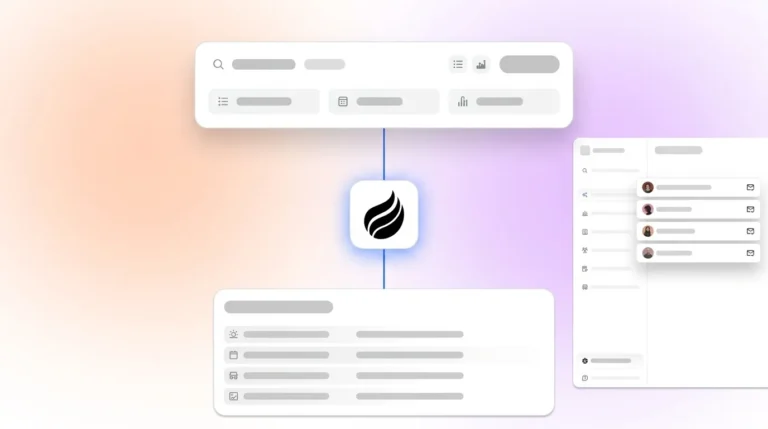
Even with improved training, manual CRM tasks can hinder adoption. Coffee’s AI-driven app works alongside HubSpot to automate these processes, allowing onboarding to focus on sales strategies.
Addressing Manual Data Entry in HubSpot
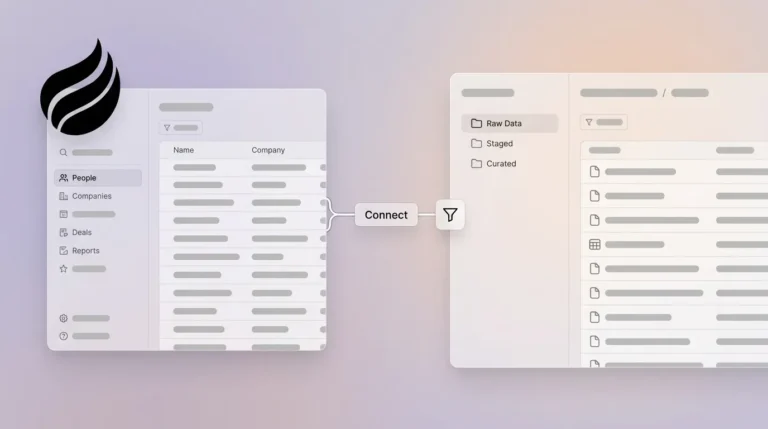
Legacy CRMs often require time-consuming updates after customer interactions. Coffee automates data entry and follow-ups, freeing reps to prioritize selling. This shift lets training emphasize CRM insights over admin work, building a positive view of HubSpot from the start.
Key Benefits of Coffee for HubSpot Users
Coffee offers specific features to support reps during onboarding and beyond.
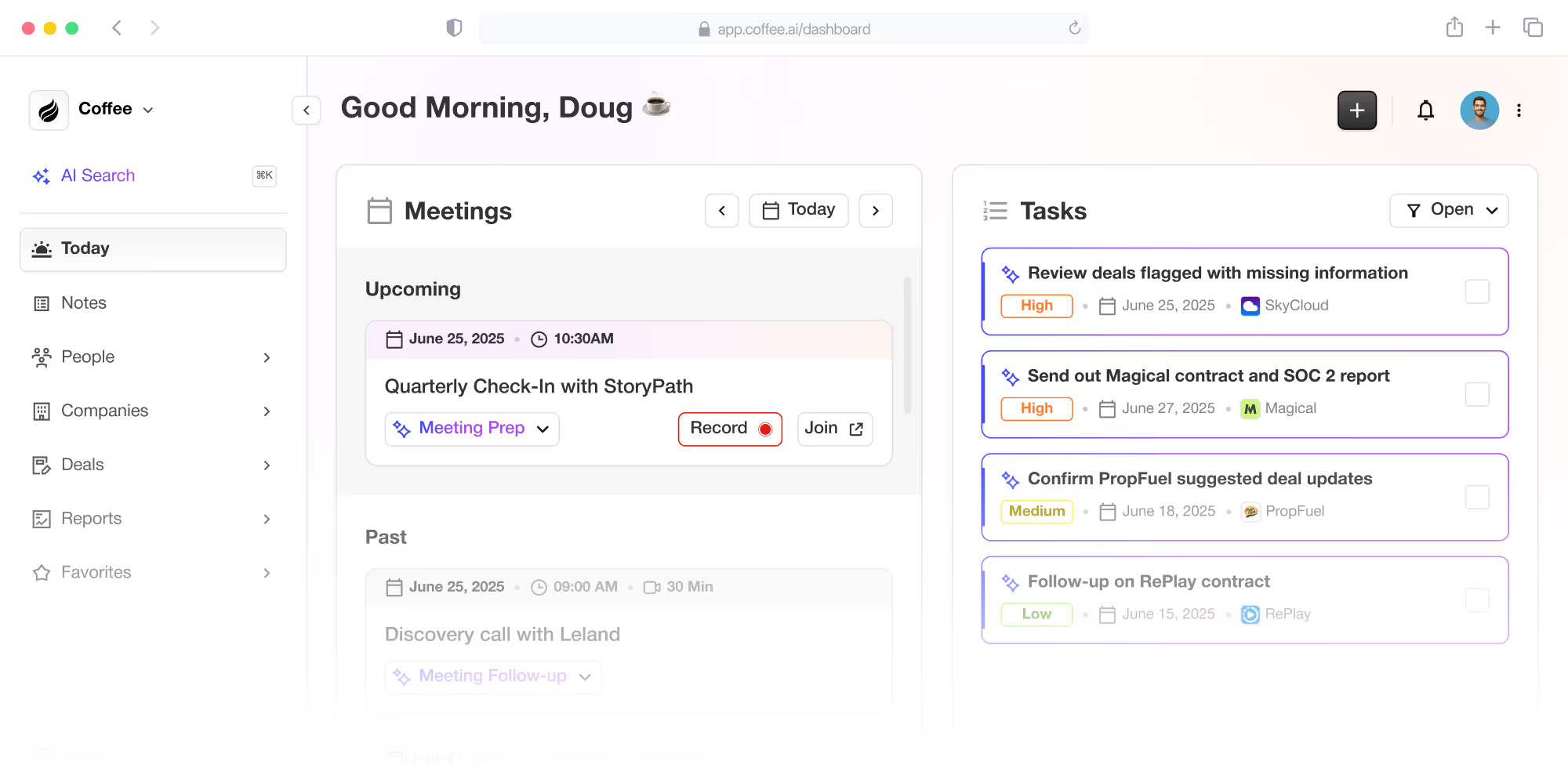
- Automatic Data Updates: Coffee syncs with email and calendar tools to populate HubSpot with contacts and activities, saving reps significant time weekly.
- Data Enrichment: It adds details like job titles and company information from licensed sources, ensuring a complete CRM for new users.
- Meeting Support: Coffee provides pre-meeting briefs and post-meeting summaries, including action items and follow-up drafts, integrated with common platforms.
- Pipeline Insights: Historical data comparisons highlight deal progress or stalls without manual tracking, making CRM data actionable.
Improving Training Focus with Coffee
By handling routine data tasks, Coffee lets onboarding target key sales skills like opportunity management. Reps see immediate value in a pre-filled CRM, fostering trust and encouraging deeper HubSpot use.
Ready to enhance your HubSpot onboarding experience? Request access to Coffee’s companion app for better training outcomes.
Maintaining Strong HubSpot Adoption After Onboarding
Effective onboarding is just the start. Long-term adoption requires continuous support and reinforcement of good CRM habits.
Encourage Ongoing Feedback and Coaching
Regular check-ins allow reps to address challenges and get tailored guidance. Interactive sessions and assessments improve retention over passive methods. Peer mentoring and periodic skill reviews keep focus on practical results.
Keep Improving Automation Practices
Review workflows and data needs regularly to boost efficiency. Monitor usage to spot reps needing support, and introduce advanced features gradually. Tools like Coffee can further enhance automation without extra training demands.
Foster a Culture of CRM Support
Highlight successful HubSpot users as role models within the team. Celebrate wins tied to CRM use, and encourage reps to share custom tips. Communicate how adoption impacts revenue to maintain engagement.
Comparing Traditional vs. Coffee-Supported HubSpot Onboarding
|
Aspect |
Traditional Onboarding |
Coffee-Supported Onboarding |
Business Outcome |
|
Data Entry |
Mostly manual effort |
AI-automated updates |
Saves 8-12 hours weekly |
|
Initial CRM Setup |
Incomplete data fields |
Enriched, ready-to-use data |
Clear value from day one |
|
Meeting Notes |
Manual logging needed |
Automated summaries |
Better capture accuracy |
|
Rep Perception |
Seen as extra work |
Viewed as sales support |
Improved usage rates |
Tracking the Success of Improved Onboarding Efforts
Evaluate onboarding by focusing on practical outcomes. Measure if sales processes are clearer, team alignment strengthens, and admin time decreases. Look at how quickly new reps hit targets and data accuracy levels.
Survey reps on CRM usefulness and track metrics like deal speed and win rates. Clear processes and training speed up ramp-up time for new hires.
Interested in seeing better onboarding results? Request access to Coffee for measurable adoption gains.
Tailored Strategies for Larger Sales Teams
Complex organizations need customized onboarding approaches beyond basic training to ensure consistency as they scale.
Develop role-based training paths, focusing on relevant HubSpot features for each position. Adapt configurations for specific territories or products, and set governance rules to maintain data quality. Use tools like Coffee to integrate systems smoothly while keeping the rep experience streamlined.
Common Questions About HubSpot Onboarding
What Is the Typical Duration for HubSpot Onboarding?
Onboarding usually takes 4 to 6 weeks, depending on sales complexity. Early weeks cover basics and automation, while later stages focus on advanced skills and real application. Tools like Coffee can shorten this by reducing manual task training.
Why Do Sales Reps Resist Using HubSpot?
Manual data entry burdens reps, pulling focus from selling. Poor data quality and ineffective training diminish trust in the system. Misaligned configurations also create friction, leading to workaround solutions.
Does HubSpot Automation Fully Remove Manual Entry?
HubSpot’s automation cuts down some manual work, like email logging, but doesn’t cover everything, such as detailed meeting notes. Pairing it with AI tools like Coffee, which handle contact creation and summaries, offers a more complete solution.
How Does Coffee Work with HubSpot Without Issues?
Coffee connects through a straightforward authentication, syncing data without altering HubSpot setups. It enriches records and automates tasks while allowing control over which insights update the CRM, maintaining consistency.
What Results Come from Better Onboarding Training?
Improved training increases CRM usage rates and data completeness. It shortens ramp-up time for new reps, enhances sales consistency, and boosts satisfaction by framing HubSpot as a helpful tool, not a burden.
Conclusion: Turn HubSpot into a Valuable Sales Tool
Making HubSpot a true asset for reps starts with better onboarding. Standardize processes, ensure clean data, and deliver hands-on training. Coffee’s AI app supports this by automating routine tasks, allowing focus on strategic skills. Higher adoption and productivity follow. Take the next step to improve your HubSpot experience. Request access to Coffee’s companion app today.